
Why Lawn Aeration is the Secret to Thick, Healthy Grass in Wisconsin and Minnesota
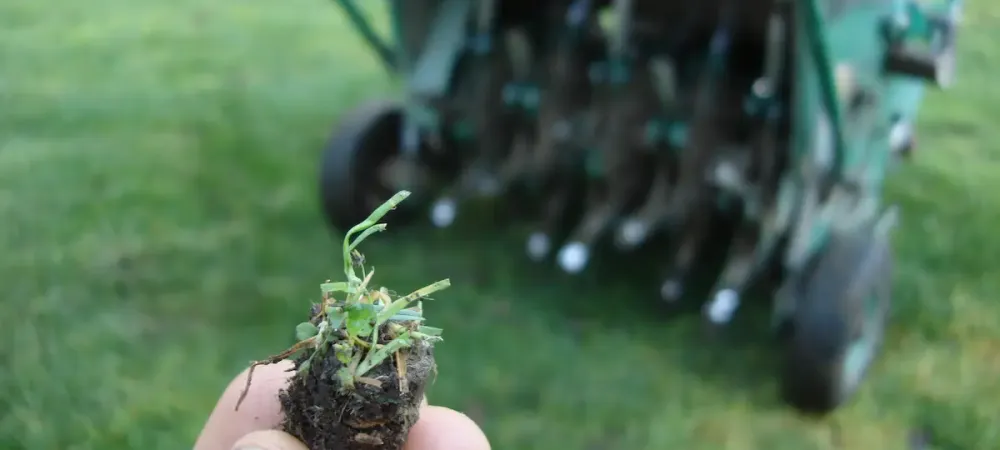
A lush, green lawn doesn't happen by accident — especially in Wisconsin and Minnesota. Clay-heavy soils, freeze-thaw cycles, and heavy foot traffic create year-round stress that silently suffocates your grass at the root level. Lawn aeration is the most effective, yet most overlooked, solution to this problem.
What Is Lawn Aeration?
Lawn aeration is the process of puncturing small holes throughout your lawn's soil to allow air, water, and nutrients to reach the root zone. As soil compacts over time, these pathways close off — starving roots of the elements they need to grow deep and strong. Aeration reopens them, restoring the foundation for a thicker, healthier lawn.
Why Do Wisconsin and Minnesota Lawns Need Aeration More Than Most?
Lawns in Wisconsin and Minnesota face compaction pressures that are more intense than in many other regions.
Clay-Heavy Soil
The dominant soil type in both states. Clay traps water and nutrients at the surface instead of allowing them to penetrate to the roots.
Freeze-Thaw Cycles
Seasonal freezing and thawing compresses soil particles each winter and spring, compounding compaction year after year.
Heavy Lawn Use
Kids, pets, and outdoor activities accelerate compaction faster than rainfall or weather alone.
Weed Pressure
Weed pressure from crabgrass and dandelions increases when grass is thin. Aeration builds the turf density that naturally crowds weeds out.
What Are the Benefits of Lawn Aeration?
- Deeper root growth: Roots can access water and oxygen further below the surface
- Improved fertilizer absorption: Nutrients reach roots instead of sitting on hardened soil
- Better drainage: Reduces standing water and runoff after rain
- Thicker, greener turf: Stimulates growth that fills in bare and thin areas
- Greater resilience: Stronger lawns withstand drought, pests, and seasonal stress
When Is the Best Time to Aerate a Lawn in Wisconsin or Minnesota?
Fall is the optimal time to aerate lawns in Wisconsin and Minnesota. In early-to-mid fall, soil temperatures are still warm enough to support root recovery, and grass has time to strengthen before winter dormancy. By the following spring, aerated lawns emerge thicker, greener, and better equipped to handle the growing season.
What About Spring Aeration?
Spring aeration is a secondary option if fall was missed, but fall produces more consistent results in the Upper Midwest climate.
How Often Should You Aerate?
Most Wisconsin and Minnesota lawns benefit from aeration once per year.
High-Traffic or Clay-Heavy Lawns
Lawns with heavy clay content, high foot traffic, or a history of compaction may benefit from aeration twice annually — once in early fall and once in late spring.
Does Aeration Really Work? What Should You Expect?
Yes. Aeration produces measurable improvements in lawn health within one to two growing seasons. Most homeowners notice:
- Reduced water pooling within weeks of aeration
- Noticeably thicker turf by the following spring
- Better fertilizer response during the next treatment cycle
- Fewer bare or thin patches over time
Best Results: Pair Aeration With Overseeding
Results are most dramatic when aeration is paired with overseeding and a post-aeration fertilizer application.
Get Professional Lawn Aeration in Wisconsin and Minnesota
At LCS Lawn & Tree Service, we specialize in aeration because we understand what Upper Midwest soils demand. Compacted soil is the hidden reason most lawns underperform — and aeration is the direct solution. Call us today or request a free quote to schedule your aeration service.