
Lawn Disease Control in Minnesota & Wisconsin
One day, your lawn looks fine. A week later, there are strange patches, discoloration, or rings spreading across your turf — and you have no idea what happened. Lawn diseases work fast, and by the time most homeowners notice something is wrong, the damage is already underway.
We've been identifying and treating turf diseases across the Minneapolis-St. Paul and the Milwaukee metro areas for over 30 years. We know what to look for, when to look for it, and exactly how to stop it.
What's Included in Our Lawn Disease Control Service
Lawn disease control starts with accurate identification. Treating the wrong disease — or treating a disease when the real culprit is insects or drought stress — wastes time and can make the problem worse. Our approach is thorough, targeted, and built around the specific conditions of your lawn.
Our lawn disease control service includes:
- Disease Diagnosis — Our trained technicians assess your lawn's symptoms and identify the specific disease or condition at play before any treatment is applied. No guesswork, no generic solutions.
- Fungicide Treatments — Once a disease is identified, we may offer professional-grade fungicide treatments formulated to address the specific pathogen causing the problem. Treatments are timed for maximum effectiveness.
- Cultural Practice Recommendations — Many lawn diseases are influenced by mowing height, watering habits, and thatch buildup. We'll share specific recommendations to help reduce the conditions that allow disease to thrive.
- Ongoing Monitoring — Disease pressure can shift throughout the season. Our technicians monitor your lawn at every visit and respond quickly if new issues emerge.
Your Lawn Deserves Lasting Results
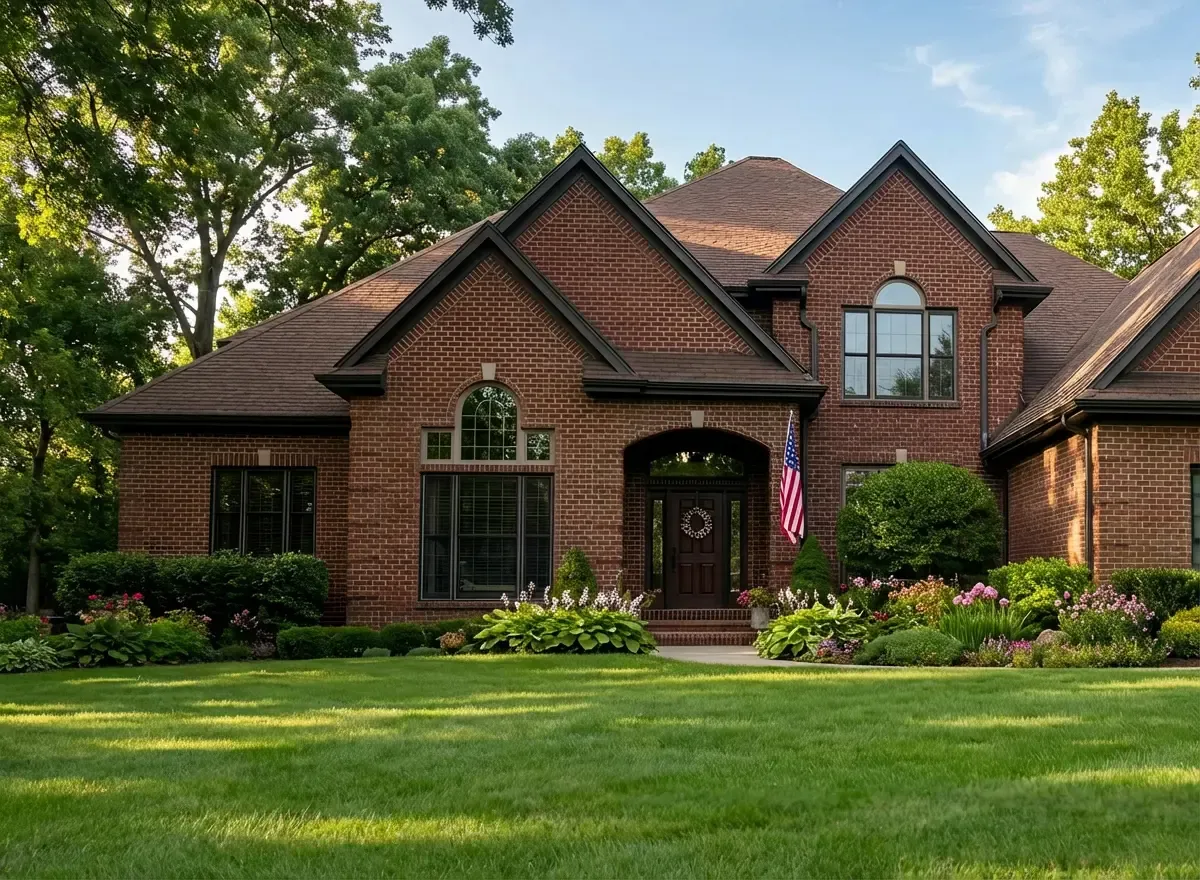
At L.C.S. Lawn & Tree Service, Inc., we stand firmly behind our work. We believe you deserve a lush, healthy lawn that lasts. Our guarantee ensures you get the value and peace of mind you're looking for, without any hassle or hidden fees.
What to Expect When You Work With Us
- Lawn Assessment and Diagnosis — When disease symptoms appear, the first step is always a thorough evaluation. We examine the affected areas closely, assess the pattern and spread of damage, and identify the disease responsible. This step is critical — accurate diagnosis leads to effective treatment.
- Targeted Fungicide Application — Once we know what we're dealing with, we apply the right fungicide treatment at the right rate. Our products are selected for their effectiveness against the identified disease while remaining mindful of their impact on your lawn, your family, and the environment.
- Follow-Up Treatments as Needed — Some diseases require more than one application to fully resolve. We follow up as needed to confirm the disease has been controlled and your lawn is on the path to recovery.
- Preventive Strategy Going Forward — After treating an active disease, we work with you to put a preventive plan in place for future seasons. Lawns that have experienced disease once are more susceptible to recurring issues, and staying ahead of it is far easier than treating it after the fact.
Common Lawn Diseases in Minnesota and Wisconsin
The upper Midwest climate — with its humid summers, temperature swings, and heavy rainfall — creates favorable conditions for a range of turf diseases. Here are some of the most common lawn diseases we treat for homeowners in our service area:
- Brown Patch — A fungal disease that causes circular patches of brown, wilted grass, most commonly appearing during hot, humid stretches of summer. It spreads rapidly and can affect large areas of turf in a short time.
- Dollar Spot — Identifiable by small, silver-dollar-sized spots of straw-colored grass. Dollar spot thrives in low-nitrogen, moist conditions and is one of the most widespread turf diseases in the Midwest.
- Red Thread — A fungal disease that produces pink or red thread-like strands on grass blades. It tends to appear in cool, wet conditions and is most common in the spring and fall.
- Powdery Mildew — A fungal disease that coats grass blades with a white, powder-like substance. It's most prevalent in shaded areas with poor air circulation.
- Necrotic Ring Spot — A serious root disease that creates circular rings or arcs of dead grass in an otherwise green lawn. It develops slowly and can be mistaken for other problems, making proper diagnosis critical.
- Pythium Blight — A fast-moving disease that can destroy large sections of turf seemingly overnight during hot, humid conditions. Early identification and treatment are essential.
- Fairy Ring — Characterized by circles or arcs of dark green grass, mushrooms, or dead turf. Fairy ring is caused by fungi breaking down organic matter in the soil and can persist for years if not addressed.
Each of these diseases looks different, responds to different treatments, and thrives under different conditions. That's exactly why professional diagnosis matters — and why treating your lawn based on a photo or a guess rarely works.
Frequently Asked Questions
Additional Services
Where We Service
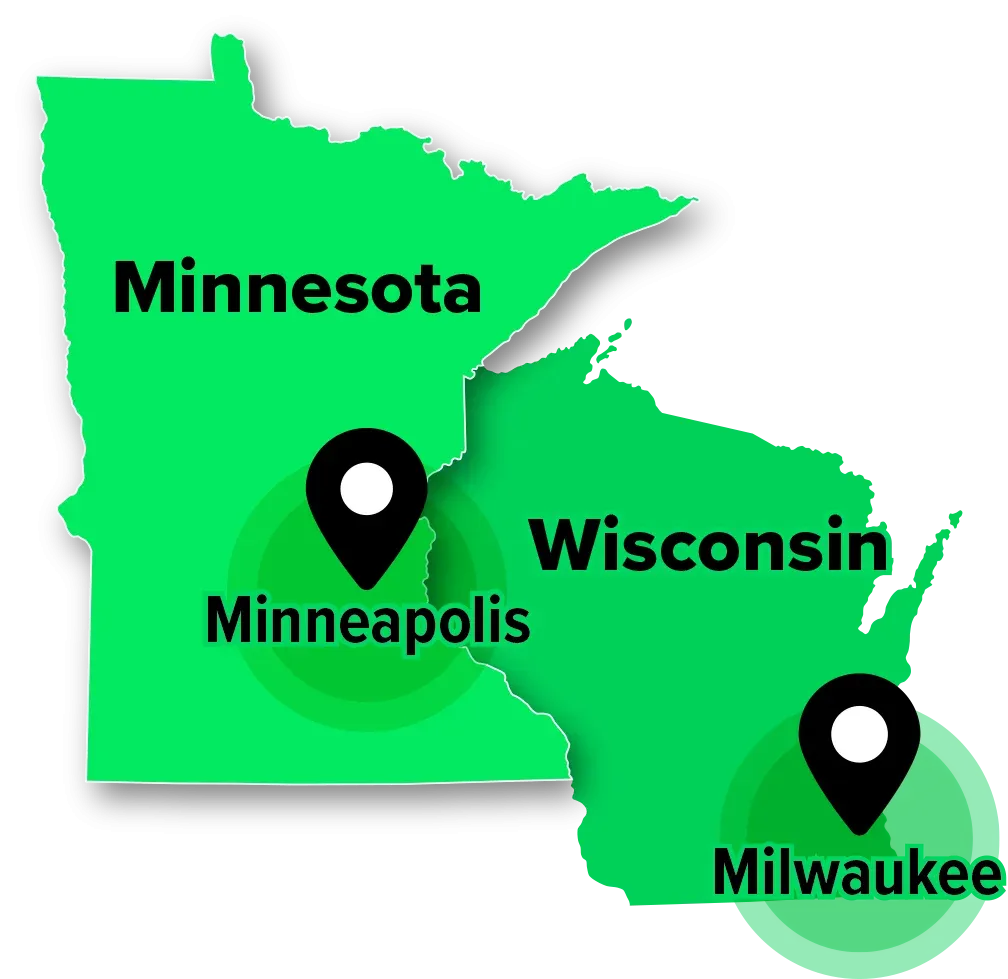
We proudly offer our lawn care services to residents in the Greater Twin Cities and Milwaukee metros, including these cities:
Minnesota
Wisconsin